
Exploring the Effects of Marriage on Bisexual People
For gay and straight unions, marriage has been shown to positively impact the health and quality of life of spouses. Research has linked marriage to longer living and fewer reports of depression and other health issues. Although much of this research initially only involved heterosexual couples, other studies have led to similar conclusions for gay and lesbian partners as well. This has created a prevailing idea that marriage helps create an environment of economic provision and social support that leads to healthier lifestyles for heterosexual and homosexual individuals. However, one study has shown that’s not necessarily the case for the marriage of someone who identifies as bisexual.
Defining Bisexuality
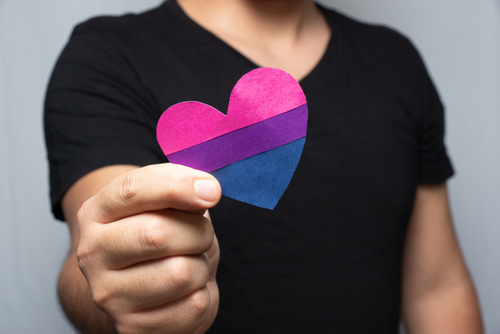
The definition of bisexuality is a romantic and/or sexual attraction toward both male and female genders. The sexual and romantic feelings experienced by bisexuals Bisexual people experience sexual and romantic feelings differently from person to person. Many do not experience an equal attraction to male and female genders. Some bisexuals have a strong but not exclusive preference for one gender over the other, which some view as sexual fluidity. Bisexual or bi people face a unique set of challenges when it comes to relationships. These challenges may negate any health or emotional benefits that come with marriage for bisexual persons. Biphobia and bisexual erasure are often found to be at the root of these challenges. The root cause of these challenges are often caused by biphobia and bisexual erasure.
Exploring Biphobia and Bisexual Erasure
Bisexual people often have to deal with biphobia and bisexual erasure. These are two types of intolerance and discrimination that can be perpetuated by people of any sexual orientation:
- Biphobia: A portmanteau based on the words “bisexual” and “homophobia,” this word refers to an aversion or discrimination toward bisexuality and people who identify as such. It often manifests as a denial that a person can be genuinely bi. It also shows up as promoting negative stereotypes of bi people, such as the belief that they are promiscuous or unfaithful.
- Bisexual Erasure: Also known as bisexual invisibility, this term refers to the idea that a person is not actually bisexual but indecisive about whether they’re homosexual or heterosexual. It sometimes manifests as an acceptance of this sexual identity from women while rejecting it from men. It can be considered evidence of held beliefs steeped in biphobia.
Studies have shown that bisexual people are often believed to be indecisive or hypersexual by both straight and gay people. Because of this, there’s a pervasive belief that bi people are “on the way” to becoming gay or haven’t yet accepted their true orientation. Bisexual persons are often believed to be unfaithful in monogamous relationships and incapable of committing to long-term partnerships. One study showed that these negative stereotypes are commonly projected on men that identify as bi.
Examining the Effects of Biphobia and Bisexual Erasure
The effects of these harmful attitudes towards bisexual people are varied. Many bisexual people feel trapped in a sexual orientation binary where they have to choose between homosexuality and heterosexuality. This may result in feelings of invalidation around their identity that can lead to depression and other negative effects:
- Failure to disclose sexual activity with health professionals
- Failure to be open about sexual activity with sexual partners
- Tension between gay and lesbian communities
- Tendency to be victims of domestic abuse
People who identify as bisexual tend to struggle with feelings of rejection by society in various aspects of their lives. They are less likely to be fully out to family, friends and other important people in their lives.
We need more research to fully understand how a stigma against bisexual persons impacts their health and sense of wellness. Still, there’s reason to believe this stigma does affect their relationships with partners. Projected stereotypes about sexual attraction and monogamy creates tension. Some bisexual people feel pressured to hide their true identity from a partner who identifies as gay or straight due to this. However, others feel burdened to continuously prove their fidelity to a spouse who feels insecure about being able to satisfy a bisexual partner in their marriage.