
For Disabled LGBTQIA+ People, Marriage Is a Complex Issue
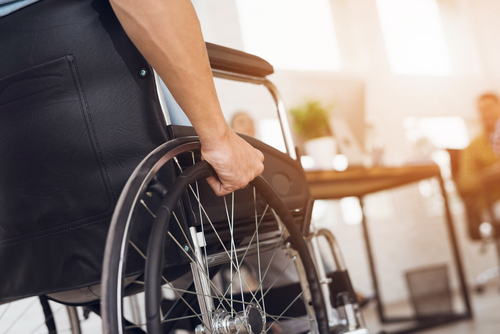
Marriage equality became a thing in 2015 with the Obergefell v. Hodges Supreme Court ruling. This legal precedent opened the door for millions of LGBTQIA+ Americans to marry their chosen partners. But the decision to marry can be more complex for people with disabilities, especially queer, transgender, and intersex individuals. Depending on the circumstances of disabled LGBTQIA+ people, tying the knot can even jeopardize their survival.
LGBTIQA+ People and Disability Status
The Americans With Disabilities Act of 1990 defines disability as a physical or mental condition limiting major life activities. AmeriDisability cites the CDC’s 2018 report estimating that 25% of American adults have at least one disability. But LGBTQIA+ people are statistically more likely to have disabilities: about 26% of queer men, 36% of queer women, and 39% of transgender individuals, according to the Movement Advancement Project. Disabled LGBTQIA+ people encounter many challenges: limited access to essential services, employment and educational barriers, bullying, exclusion, and mental health issues.
Different Types of Disability Benefits
The Social Security Administration reveals that 8.2 million people receive SSDI, while about 6.7 million receive SSI. They sound similar, but these programs and their eligibility requirements differ. SSDI is Social Security Disability Insurance, available to those who are insured — that is, they’ve worked for a certain length of time and paid Social Security taxes on their earnings. Applicants also must meet Social Security’s definition of disability and have earned enough work credits.
Meanwhile, SSI is Supplemental Security Income for people with disabilities and total vision loss. Benefits.gov explains that SSI is a federally funded program that provides money to disabled adults and children. Certain factors impact eligibility, including marital status and financial resources of other household members. But since SSI is a needs-based program, eligibility for benefits does not depend on prior work history.
Disability, Poverty, and Survival
Not all people with disabilities receive government benefits, but many face issues with economic security. The Center for American Progress mentions that disabled Americans are twice as likely to experience poverty than non-disabled Americans. The CAP names access to quality housing, transportation, and health care as keys to remediating poverty. Because economic opportunities are also vital, barriers to those opportunities should be removed: lack of accessibility and services, hostile work environments, and discrimination.
In the meantime, many disabled individuals rely on public programs for medical care, transportation, food, and shelter. These programs form a sort of “safety net,” a loose network of resources for life’s essentials. There’s Medicaid, which provides health coverage to households with limited resources. The Supplemental Nutrition Assistance Program also supplies funds for low-income families and individuals to buy food. For some disabled people, that safety net also includes SSI benefits.
How Marriage Can Cause Loss of Benefits
The Advocacy Monitor explains why many people with disabilities may delay or forgo marriage, even when in committed relationships. Programs like SSI and Medicaid are needs-based. If an individual gets married, program guidelines include both spouses’ incomes and resources. It’s entirely possible that two people who qualify individually for SSI and Medicaid could lose benefits if their incomes are combined — even if their financial status doesn’t significantly improve. In fact, marriage can worsen their situations because of “marriage penalties” with both asset limits and combined benefits lower than if they’d remained unmarried.
Obergefell v. Hodges removed major legal hurdles that prevented LGBTQIA+ people from getting married. But functional barriers such as poverty, discrimination, and accessibility challenges impact queer, transgender, and intersex individuals with disabilities. For them, it’s a bigger question than, “Can we legally get married?” They must ask themselves, “Should we get married and risk sinking deeper into poverty?” Until significant barriers are removed, millions of disabled LGBTQIA+ people may continue to delay marriage to the people they love.