
How To Include Marriage Equality in Your Wedding Vows
Key Takeaways
- LGBTQ wedding vows can mention marriage equality to honor the history that made the ceremony possible and add deeper meaning to the moment.
- LGBTQ couples can reference marriage equality by mentioning the fight for recognition, the meaning of marrying openly, or their gratitude for being able to make that commitment legally.
- Wedding vows usually feel most meaningful when LGBTQ history supports the message without taking it over, keeping the focus on the couple’s love, promises, and shared future.
For many LGBTQ couples, briefly mentioning marriage equality can honor the history that made the moment possible while still keeping the vows warm and personal. The strongest vows usually do that by connecting the larger history to the couple’s own story.
When Should Wedding Vows Mention the History of Marriage Equality?
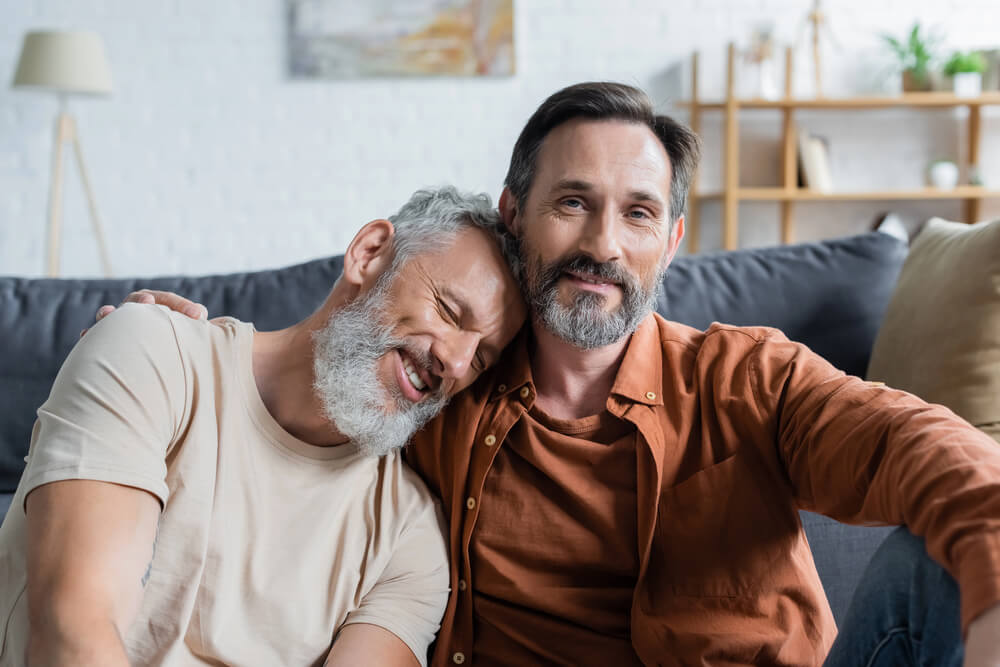
Marriage equality is part of the reason many queer couples can marry openly, legally, and with full recognition today. Including that history in your vows can add depth to the ceremony and acknowledge that this moment exists because of years of advocacy, change, and courage.
Many LGBTQ couples don’t see marriage as a generic tradition. They see it as something shaped by a real history that affected how queer relationships were seen, protected, and celebrated. A short mention of that context can make the vows feel more meaningful.
How Can You Reference Marriage Equality in Wedding Vows?
Making a clear reference to marriage equality works best when it stays short and specific. One or two lines are often enough to acknowledge the history without turning the vows into a speech.
You can do that by mentioning:
- The generations of LGBTQ people who fought for recognition
- The meaning of being able to marry openly
- The value of making this commitment in a time when it’s legally recognized
- The gratitude you feel for reaching this moment together
Here are some examples of how you can naturally mention marriage equality in your vows:
- “I don’t take this moment lightly, especially knowing how many people fought for the right to stand here.”
- “I promise to honor the history that made this marriage possible by loving you openly and fully.”
- “Today means even more to me because queer couples were denied this kind of recognition for so long.”
What Personal Details Can Connect Your Vows to LGBTQ Marriage History?
The best vows connect the larger history to something real in your own life. That keeps the vows from sounding generic or overly formal.
You might mention:
- When you first realized marriage could be part of your future
- How it felt to see queer marriage recognized more widely
- What legal or public recognition means to you as a couple
- How your families, community, or chosen family shaped your view of commitment
For example, a vow might connect your personal experience and history in one sentence: “When I was younger, I didn’t think this kind of future would be possible, and that’s one reason I treasure this promise with you.”
How Can You Keep the Vows Personal Instead of Too Historical?
Personal vows usually work best when the history supports the promise instead of taking over the whole message. A short reference near the beginning or middle of the vow is often enough. The rest of the vow can stay focused on love, partnership, trust, and daily commitment.
Following a simple structure can help:
- Start with why this moment matters
- Include one brief line about marriage equality or queer history
- Move into the promises you’re making to each other
That balance helps the vow stay intimate. The history gives the promise more weight, but the relationship still stays at the center.
Wedding vows that mention the history of marriage equality often feel strongest when they’re direct, personal, and specific. A few well-chosen lines can honor the past while keeping the focus where it belongs: on the life you’re building together.
Get Ordained Through a Church That Respects LGBTQ Love Stories
The Universal Life Church gives people of any background or belief system a way to step into wedding ministry without gatekeeping or narrow rules about who belongs. When a couple wants vows that honor both their love story and the history of marriage equality that made the moment possible, an officiant should be able to hold space for both.The Universal Life Church offers free online ordination that takes only minutes and lasts for life, making it easier to serve people with both respect and legal authority. If you feel called to help LGBTQ couples mark a meaningful promise and speak those vows with care, get ordained online today.