
Connect To Your LGBT History This Pride Month
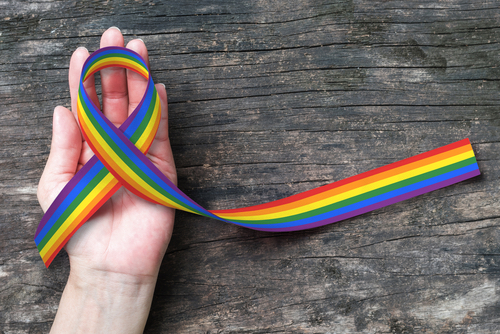
Pride is an annual event that celebrates the history, diversity, and cultures of the LGBT community. Since the first Pride was celebrated in 1969, it has grown into a larger affair as more and more people have become accepting of the community. Of course, both allies and members of the LGBT world can benefit from a bit of education when it comes to why Pride needed to be celebrated in the first place. Take a look at some of these interesting bits of history and connect to the story of the LGBT community in a significant way this Pride.
Living in the Shadows
Throughout modern history, and especially in the United States, those who were gay, lesbian, or bisexual — or any sexuality that deviated from the perceived heterosexual norm — lived in the shadows. Depending on the time and place, the simple act of showing romantic affection to someone of the same gender could have you ostracized, beaten, or killed. While this is still very much a reality for many members of the LGBT community, especially those who are black or trans, there has been a lot of progress made in terms of reducing the overwhelming violence and lack of acceptance.
New York City in the 1960s was a haven for members of the LGBT community. They could live a bit more openly amid the anonymity of the sprawling metropolis. Unfortunately, the NYPD used its power to target spots of “homosexual deviance,” including underground bars and sometimes homes, and conduct violent raids. This wanton cruelty was ignored by the public and the media at large. This caused serious anger and frustration to begin bubbling under the surface of the community. This would all come to a head with a defining moment that would lead to gay liberation.
The Stonewall Riots
On June 28, 1969, the gay bar known as the Stonewall Inn was the latest spot in a string of violent police raids. On this night, however, a black trans woman named Marsha P. Johnson decided that she was done with hiding. In an act of defiance, Johnson dropped a heavy bag from a lamppost and smashed the windshield of a police cruiser. This set off the Stonewall Riots, a series of events around Manhattan between June 28th and July 3rd that would start the long journey of giving basic human rights to LGBT Americans.
Reports of the Stonewall Riots spread awareness to people around New York and other cities of how their fellow citizens were being treated. While homosexuality was not anywhere near as accepted as it is today, some people felt enough compassion to begin standing with the community. The first Pride parade was held as a way of remembering this important moment and bringing together members of the community to celebrate who they are in an open and unapologetic way. Since then, Pride has grown into a movement that sees LGBT celebrations across the world in the month of June.
Remembering History as It Happened
History is decided by who writes the history books. For many years after the Stonewall Riots, individuals like Marsha P. Johnson were left out of the story. In fact, the 2015 movie “Stonewall” gives credit for most of the protests to white activists. This was met with a lot of backlash from historians who wanted to preserve the truthful memory. While the film itself might have been a fraudulent portrayal of events, it led to hundreds of new people reading the books and learning the stories of Johnson and the real heroes of the day.
Celebrating Pride is about more than simply waving a rainbow flag around or supporting a business that claims to love the gay community. By learning about LGBT history, both members of the community and allies can connect and build a world based on acceptance and truth.