
Supreme Court Rejects Religious Freedom Case In Rastafarian’s Discrimination Lawsuit
Key Takeaways
- The U.S. Supreme Court ruled 6–3 that a Rastafarian inmate cannot seek monetary damages from individual prison guards who forcibly shaved his dreadlocks.
- The Court agreed that the inmate’s religious rights were violated but found that current federal law does not allow personal liability for prison employees.
- The case centers on the Religious Land Use and Institutionalized Persons Act (RLUIPA). The act protects religious exercise in prisons but primarily provides injunctive relief rather than monetary damages.
- Legal experts say the ruling exposes a gap in religious freedom protections by limiting consequences for officials who violate inmates’ religious rights.
- The decision could influence future religious liberty cases involving prisons and other government institutions.
Supreme Court Highlights Limits of Religious Freedom Protections
Religious freedom remains one of the most closely watched constitutional issues in the United States, but the scope of those protections often depends on the specific law involved. This latest Supreme Court decision illustrates that even when a court recognizes a violation of religious rights, obtaining a legal remedy can be far more complicated. The ruling has already sparked debate over whether Congress should strengthen existing protections for incarcerated people.
Rastafarian Prevented From Suing Individual Prison Guards
The Lawsuit Against Individual Prison Guards
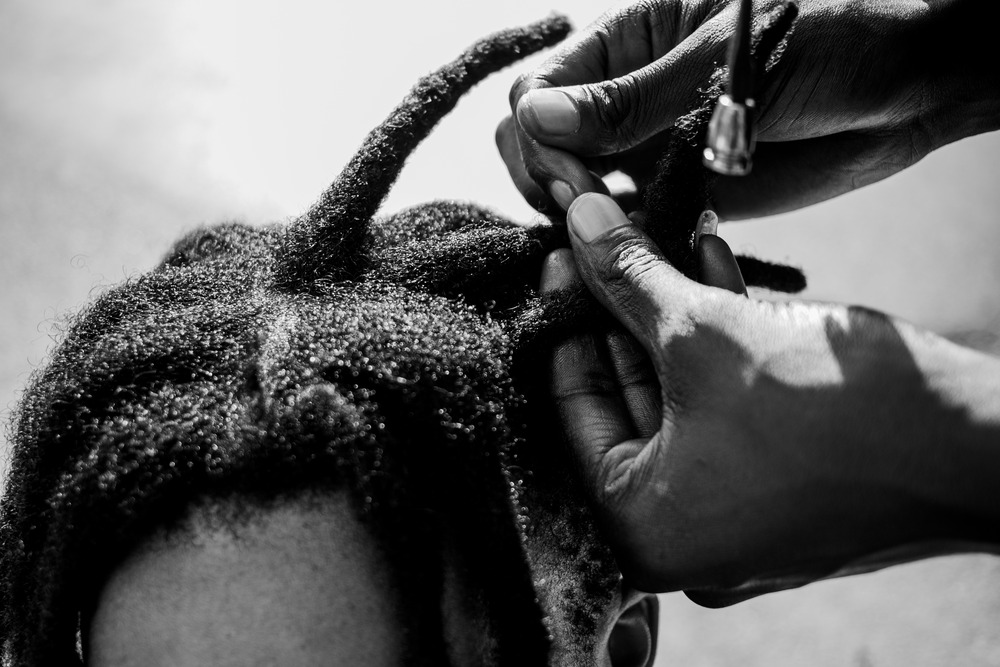
The question of religious rights in American prisons has sparked considerable debate throughout the years. A Rastafarian has lost the right to sue after prison guards forcibly shaved off his dreadlocks.
The case is notable because the defendant sought to sue individual prison guards for his alleged mistreatment. Although he had previously pursued monetary damages from both the prison guards and the prison system itself, he subsequently decided to sue only the guards. This was because the prison system had sovereign immunity, and it could not face liability for monetary damages.
Unfortunately for the inmate, his pursuit of monetary damages from the prison guards failed as well. On June 23rd, 2026, The Guardian reported that the Supreme Court had rejected this lawsuit with a 6-3 opinion. This “landmark case” has major implications for religious rights in the United States, particularly in regard to prison inmates.
Why Prison Guards Shaved the Inmate’s Dreadlocks
The Supreme Court learned about the inmate’s experiences, discovering that he had grown his dreadlocks for 20 years before serving a five-month prison sentence for drug possession. While being transferred between facilities during this prison sentence, guards told him that he had to shave his head. The inmate was prepared for this, and he showed the guards a copy of an earlier ruling. This ruling states that forcibly removing dreadlocks from a Rastafarian prisoner constitutes a violation of a 2000 law called the Religious Land Use and Institutionalized Persons Act (RLUIPA).
The guards reportedly ignored this document, with one officer even going so far as to throw it in the trash. Next, the guards handcuffed the inmate to a chair and forcibly shaved off his dreadlocks. The inmate later compared this experience to sexual assault.
This Ruling Has Exposed a Religious Freedom Loophole in Prisons
Why Critics Call This a Religious Freedom Loophole
Legal observers have noted that this Supreme Court ruling has exposed a religious freedom loophole. Although RLUIPA clearly bans prisons from shaving dreadlocks off Rastafarians, it only allows courts to issue injunctions banning this. The loophole is simple: Prison guards can simply ignore the injunction and prior court ruling, shave off the dreadlocks, and experience no real consequences as a result.
Supreme Court Split Over Religious Rights in Prison
In making its ruling, the Supreme Court agreed that the inmate’s religious rights had been violated. However, they refused to make the prison guards liable for failing to follow RLUIPA. One justice stated that:
“Mr. Landor’s case cannot proceed against them any more than a breach of contract action might proceed against a defendant who never formed a contract.”
As it stands, individual employees can freely violate inmates’ religious rights without experiencing any real legal consequences. The three dissenting Supreme Court justices underlined this issue, stating that prison officials now have “little incentive” to respect federal religious protections.
The inmate has promised not to give up his fight for justice, despite this loss in court.
Frequently Asked Questions About the Supreme Court’s Rastafarian Prison Religious Rights Decision
Why did the Supreme Court reject the Rastafarian inmate’s lawsuit?
The Court ruled that while the inmate’s religious rights were violated, existing federal law does not allow him to seek monetary damages from individual prison guards under these circumstances.
What is RLUIPA?
The Religious Land Use and Institutionalized Persons Act (RLUIPA) is a federal law passed in 2000 that protects the religious exercise of people in prisons and other institutions, as well as religious organizations facing certain land use restrictions.
Did the Supreme Court say the prison guards acted lawfully?
No. The Court acknowledged that the inmate’s religious rights had been violated. The decision focused on whether individual prison guards could be held personally liable for monetary damages, not on whether their actions complied with RLUIPA.
Why are dreadlocks significant in Rastafarianism?
Many Rastafarians wear dreadlocks as an expression of their faith, drawing on biblical teachings and religious traditions. Forcibly cutting them can be viewed as a serious violation of religious beliefs.
What does this ruling mean for religious freedom in prisons?
The decision suggests that while inmates retain certain religious protections under federal law, available legal remedies may be limited. Some legal scholars argue this creates less accountability for officials who violate those protections.
Could Congress change this outcome?
Potentially. Congress could amend RLUIPA or pass new legislation that explicitly allows individuals to seek monetary damages from government employees who violate religious rights.
Does this decision affect religious freedom outside of prisons?
The ruling is specific to the legal questions raised under RLUIPA and prison officials’ liability. However, it may influence how courts interpret remedies for religious liberty claims in future cases.