
Blend Various Traditions in a Same-Sex Wedding Ceremony
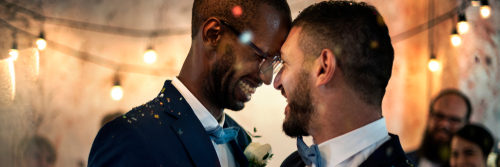
It’s no secret that while wedding ceremonies are about the two people getting married, they’re also about celebrating and solemnizing the union in the presence of the couple’s village of family and friends. Although same-sex couples can legally marry in the United States, many are faced with the challenge of overcoming cultural and religious hurdles when it comes to putting together the ceremony. Cultural and even faith-based traditions may still be of importance to the nearly-weds and their families and friends. The happy pair deserve a wedding ceremony that exceeds their expectations. Whether it’s your big day or you’re helping your loved ones plan the wedding, here are some tips to blend various traditions for a special, customized ceremony.
Working With an Interfaith Officiant
Suppose the spouses-to-be come from two or more religious backgrounds. One approach might be to go for a completely secular ceremony. If this is not an option, consider working with an officiant who specializes in interfaith ceremonies. A non-denominational officiant may understand multiple religious traditions and can work with you on coming up with a ceremony that acknowledges both. This person will generally be not only be ordained to marry people in the location where the ceremony will occur, but he or she can also work with ministers of other faiths as a co-facilitator of the wedding. If the venue of the ceremony will be a religious building such as a church or synagogue, you will need to make sure that having an interfaith ceremony and/or officiant is allowed.
Communicating With Friends and Family
Honoring the families’ traditions is admirable. Just remember that ultimately it’s about the couple to be wed. Their wishes supersede others’ desires to strictly adhere to any cultural or religious rites. Key things to do include the following:
- Communicate early with both families for input and feedback about rituals to include.
- Remind everyone that the ceremony is about the spouses-to-be.
- Be clear with everyone about unacceptable behavior. Anticipate any faux pas and head them off at the pass.
- Educate your guests on cultural/religious/family rituals.
This is supposed to be a joyous celebration. Be intentional about what this ceremony is and isn’t.
Implementing Cultural Traditions
It’s important to not lose sight of the purpose of the celebration. Trying to fit various traditions into a single ceremony may end up as a bit of a mess. You also run the risk of having a wedding that runs on too long. Consider compromising by going with one culture for the wedding and the other for a reception. A dress rehearsal provides another opportunity for incorporating ethnic traditions into the celebration. Merging cuisines at a rehearsal dinner and/or reception is another way of acknowledging multiple backgrounds. Fusion cuisine is not only quite popular, but such a menu would be a nice way of symbolically representing the couple’s union. You may also get mileage out of practices that are a part of multiple cultural backgrounds, such as the breaking of glass.
Incorporating Religious Elements Into a Secular Ceremony
The best approach for your wedding may be a secular ceremony that incorporates religious elements into it. This can be achieved in a number of ways:
- Incorporating excerpts from a religious text into marriage vows
- Calling on friends or family members to say a prayer or read religious text excerpts as part of the program
- Performing a religious ritual using secular language
This approach to a wedding ceremony respects both spouses-to-be while acknowledging faith backgrounds.
When all is said and done, you have to remember that the couple is free to come up with a ceremony that works for them. Same-sex union celebrations and cultural/faith traditions aren’t mutually exclusive concepts. With a little planning and plenty of communication, it’s possible to develop a wedding celebration that will blend various traditions which all involved will enjoy and cherish.