

Planning a Sustainable Wedding: Reducing the Ecological Footprint
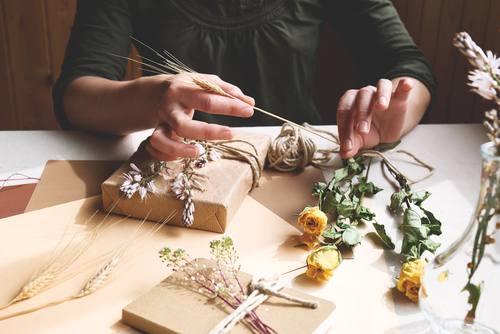
Weddings are joyful celebrations of love and commitment, but they can also leave a significant ecological footprint. From the decorations and travel to catering and waste, traditional weddings can have a substantial impact on the environment. However, as awareness about sustainability grows, more couples are planning their wedding so it’s not only beautiful and memorable but also environmentally sustainable.
Understanding the Ecological Footprint of Weddings
The ecological footprint of a wedding can be quite large. Here’s how:
- Decorations: Often, wedding decorations include materials that are used once and then discarded, such as plastic items and non-biodegradable confetti.
- Travel: Weddings can result in a lot of travel by guests, which contributes to carbon emissions, especially if people fly or drive long distances.
- Catering: The food served at weddings can also have a big environmental impact, depending on how it is sourced and how much is wasted.
Weddings can also generate considerable waste from food, decorations, floral arrangements, and single-use items like napkins, plates, and utensils.
Tips for Planning a Sustainable Wedding
Here are several ways couples can reduce the ecological footprint of their wedding and make their celebration more sustainable:
1. Eco-friendly Venues
Choosing a venue that prioritizes sustainability can make a big difference. Look for venues that use renewable energy, recycle waste, and have good environmental management practices. Outdoor venues like gardens, farms, or parks can also reduce the need for artificial lighting and air conditioning.
2. Sustainable Decor
Opt for decorations that can be reused, recycled, or are biodegradable. For instance, use potted plants or locally-grown flowers that guests can take home and plant instead of cut flowers that will be thrown away. Also, consider using digital invitations instead of paper ones and decorations made from recycled materials.
3. Local and Seasonal Food
When planning the menu, choose local and seasonal produce. This reduces the carbon footprint associated with transporting food from far away. Discuss with your caterer the possibility of organic food options and ensure that the seafood served is sustainably sourced.
4. Minimize Travel
To cut down on travel-related carbon emissions, plan a wedding closer to where most of your guests live or choose a central location that is accessible for everyone. Encourage guests to carpool, or arrange group transportation like buses, which are more efficient than many cars driving separately.
5. Reduce Waste
Ask your caterer to prepare meals with portion control in mind to minimize food waste. Instead of disposable plates, cups, and utensils, opt for reusable or compostable alternatives. Plan a recycling strategy for after the wedding and make sure your guests know where to dispose of recyclables.
6. Eco-friendly Wedding Favors
Consider giving guests eco-friendly favors such as seed packets, small potted plants, or donations to a charity in their name. This not only reduces waste but also spreads awareness about sustainability among your guests.
7. Attire and Rings
Choose wedding attire that can be worn again or that is made from sustainable materials. For wedding rings, look for jewelers who use ethically sourced or recycled precious metals and stones.
8. Carbon Offsetting
For aspects of your wedding that are hard to make sustainable, such as flights for a honeymoon, consider carbon offsetting. This involves calculating the carbon footprint of these activities and then contributing to projects that reduce greenhouse gases by the same amount.
Planning a sustainable wedding doesn’t mean sacrificing the beauty or significance of the celebration. By making mindful choices about the venue, decorations, food, and waste management, couples can significantly reduce the environmental impact of their special day. Embracing sustainability for a wedding can set a meaningful precedent, reflecting the couple’s commitment not only to each other but also to the planet.